Hollow spool member
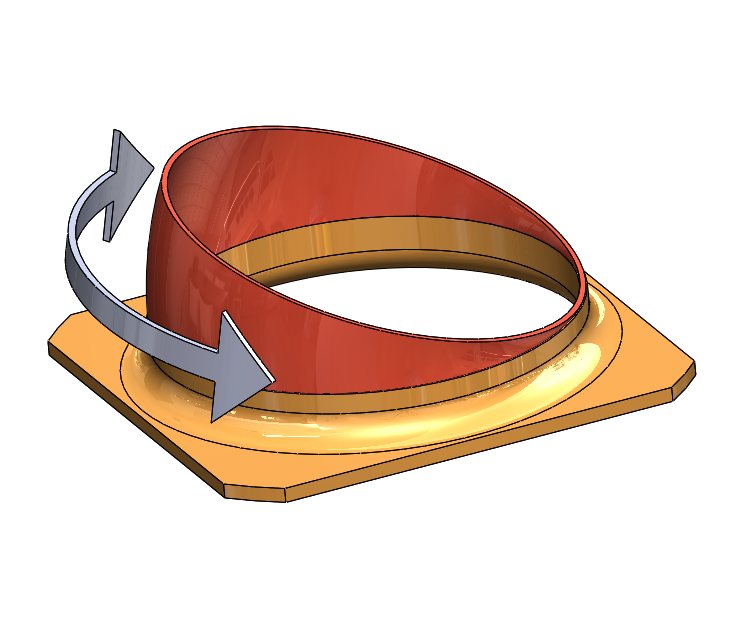
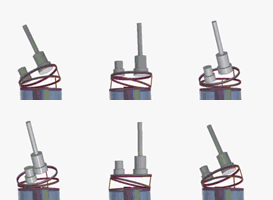
The central structural member has a hollow interior. The patent describes control connectors—including hydraulic conduits, electric wires and flexible rotating cables—passing through the hollow module.

MODULAR ARTICULATION
ENGINEERING PLATFORM
TECHNOLOGY
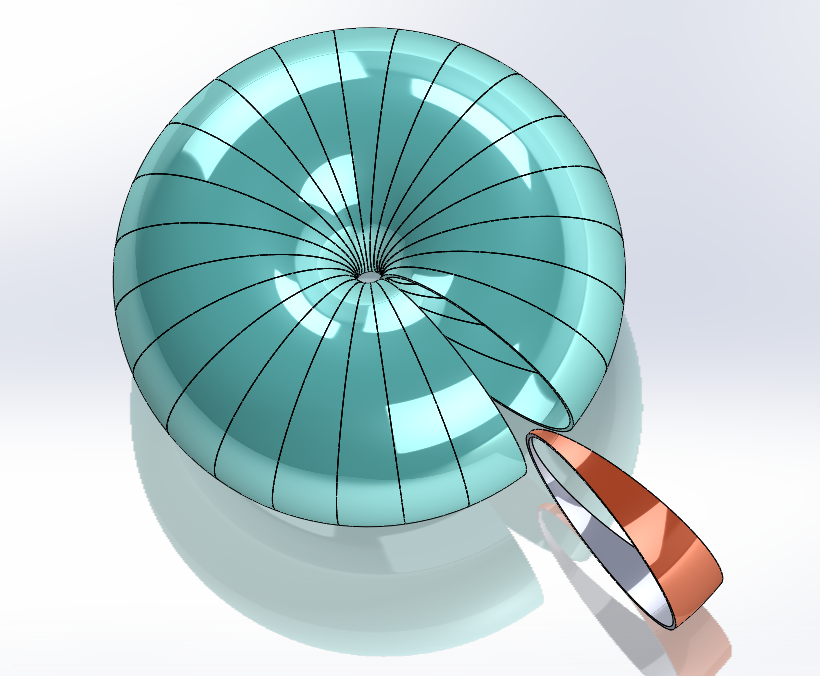
REM uses angled rotating interfaces around hollow structural members. The result is a modular articulation architecture designed to preserve an internal pathway through the moving system.
PLAIN-LANGUAGE MODEL
Instead of treating cables and hoses as an afterthought, REM treats an open centre as part of the mechanical architecture. The surrounding rings rotate to change orientation while the central region remains available for service routing.
PATENTED MECHANICAL CONCEPT
This summary is intentionally simpler than the patent claims. Engineers should review the granted patent documents for precise scope and terminology.
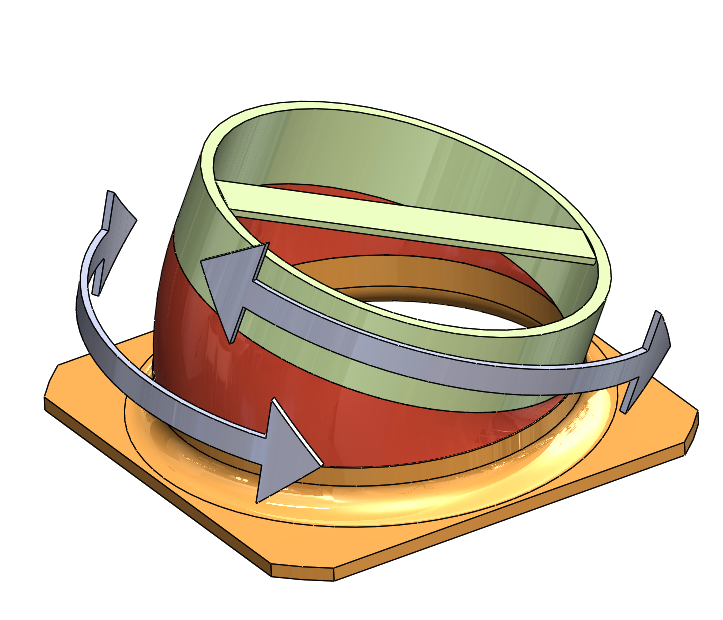
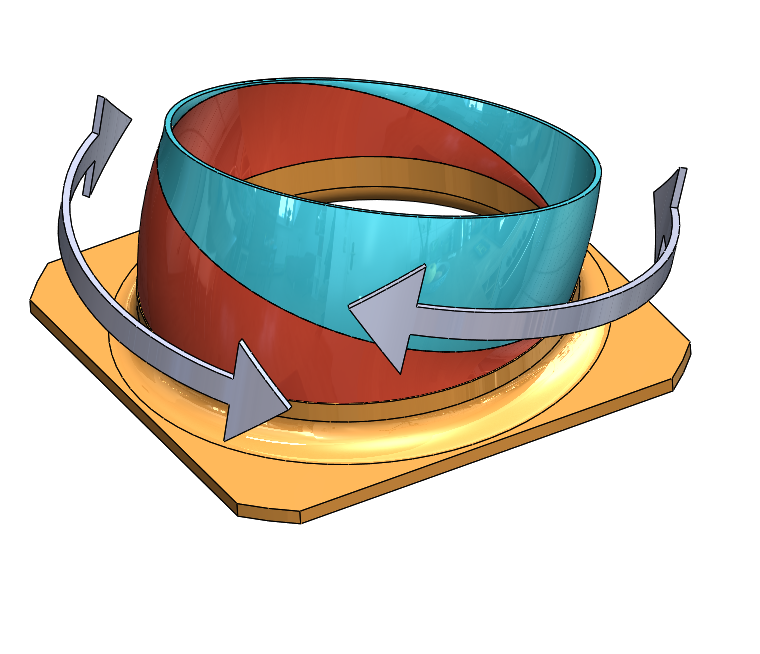
The central structural member has a hollow interior. The patent describes control connectors—including hydraulic conduits, electric wires and flexible rotating cables—passing through the hollow module.
Top and bottom rings are held at an angle, producing the geometry that changes orientation as the interface rotates.
The patent describes electric or hydraulic motors, gears, worm gears and other possible drive approaches for rotating the ring relative to the spool.
Modules can be used individually or connected in series, creating a longer manipulator while maintaining internal paths for services and control.

THE DESIGN QUESTION
The strongest REM use cases are likely to be applications where motion, service-line protection and mechanical packaging interact. That is a narrower—and more useful—question than claiming the technology fits every machine.
COMPARISON
Hollow wrists, hollow-shaft actuators, spherical wrists and modular robot joints already exist. REM’s case should focus on the particular combination of hollow routing, angled articulation and modular stacking described by its architecture.
| Architecture | Internal routing | Multi-axis articulation | Modular stacking | Key design question |
|---|---|---|---|---|
| Conventional rotary joint | Varies | Usually one axis | Common | How are services carried around repeated motion? |
| Hollow-shaft actuator | Strong | Usually one axis per actuator | Common | How many axes and housings are needed? |
| Integrated robot wrist | Often | Yes | Usually product-specific | How configurable is the wrist outside its robot family? |
| REM architecture | Designed around a hollow centre | Up to 2 DoF/module as described by REM | Core architectural feature | Can it meet the required torque, stiffness, precision and life? |
NEXT
The engineering page separates known prototype facts from the performance data that should be established next.